X

GIVING DAYS 2024
Double your impact
by making a gift during
Giving Days May 7 & 8
Double your impact
by making a gift during
Giving Days May 7 & 8


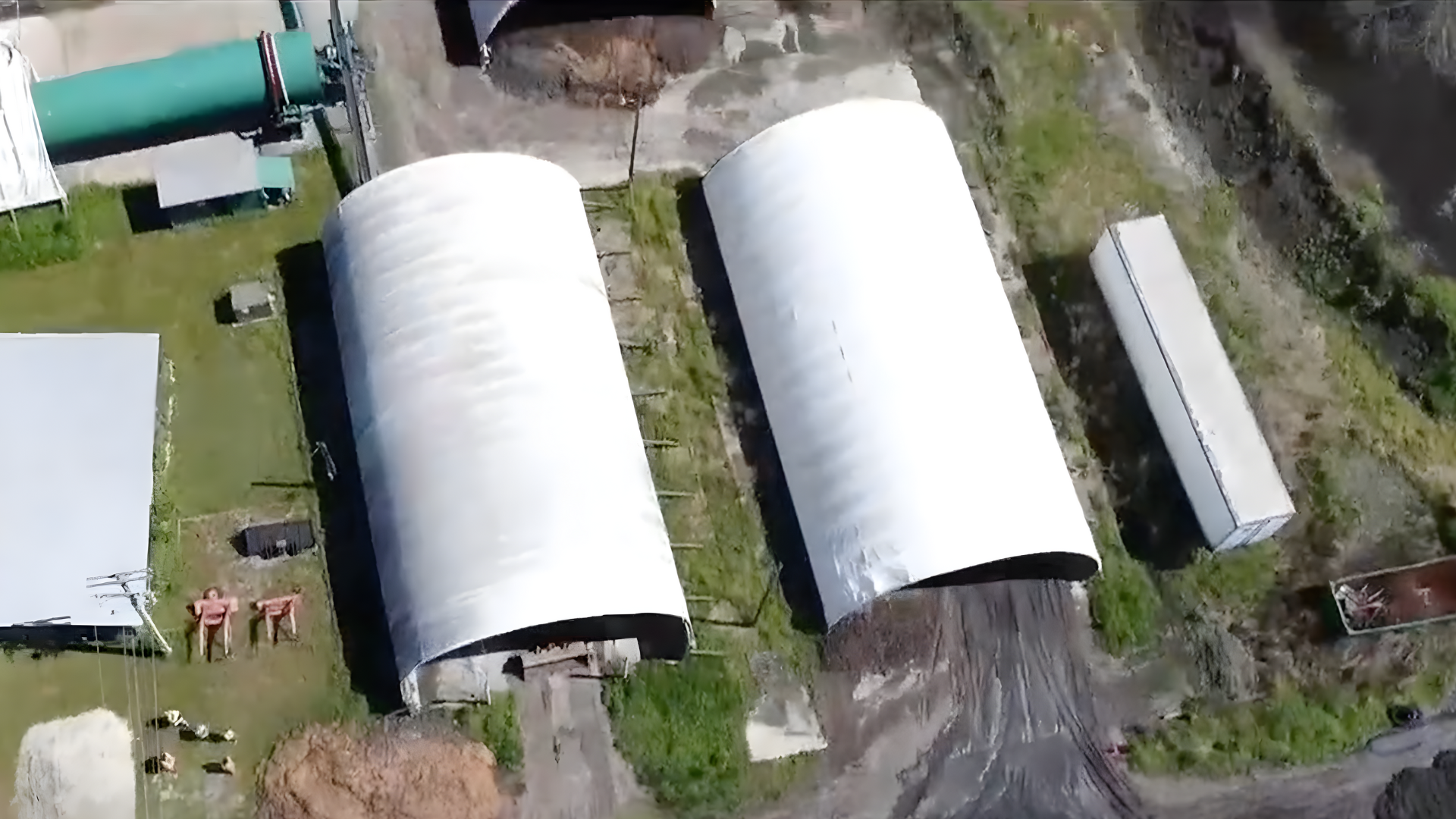
Case Name: Coastal Conservation League v. South Carolina Department of Environmental Services and Williamsburg Recycling, LLC
Location: Williamsburg County
Venue: South Carolina Administrative Law Court
Issue: Challenge to Type Three Facility Composting Permit issued December 20, 2024
In December 2024, the South Carolina Department of Environmental Services (DES) issued a Type Three Facility Composting Permit to Williamsburg Recycling, LLC, authorizing the operation of a large waste-processing facility that handles sewage sludge and other residual materials from wastewater treatment systems.
The South Carolina Environmental Law Project (SCELP), on behalf of the Coastal Conservation League (CCL), challenged that decision in the Administrative Law Court. We contended that the permit violates the South Carolina Solid Waste Policy and Management Act and multiple state regulations governing solid waste and composting facilities. At issue was whether DES lawfully approved a facility with a documented history of regulatory noncompliance, repeated operational problems and impacts on nearby residents and natural resources.
In May 2026, the parties reached a settlement agreement that delivers enforceable protections the permit alone did not provide, including mandatory water quality monitoring of nearby drinking water wells, increased financial assurance for proper facility closure if needed and direct enforcement rights for neighboring property owners and CCL.
Permits for solid waste and composting facilities are not paperwork formalities; they are legal tools designed to protect people, land and water from long-term harm. When those permits govern facilities that process sewage sludge and wastewater byproducts, the stakes for surrounding communities are especially high.
Among SCELP’s central concerns was that the permit allowed the facility to operate without:
Compounding these issues, the permit’s terms could have allowed for a substantial future expansion of the facility’s operational capacity without requiring additional public notice or environmental review, even as nearby residents continued to report odor, runoff and pollution concerns tied to the site’s operations.
This case tested whether South Carolina’s environmental laws function as fundamental safeguards or procedural checkboxes. If agencies can issue permits for high-impact waste facilities without enforcing financial accountability, environmental protections and compliance standards, communities can be left bearing the long-term consequences.
December 20, 2024
DES issues a Type Three Facility Composting Permit to Williamsburg Recycling, LLC.
2025 – Permit Challenge Filed
SCELP files a formal challenge to the permit on behalf of the Coastal Conservation League in Administrative Law Court.
Summer 2025 – Discovery Dispute
DES attempts to limit discovery in the case. SCELP successfully opposes that effort, allowing full depositions of witnesses and development of the evidentiary record, including the facility’s compliance history.
December 2025 – Summary Judgment Briefing
The Respondents file a motion for summary judgment. SCELP submits a comprehensive response opposing the motion.
February 3, 2026 – Hearing Held
The Administrative Law Court holds a hearing on the motion for summary judgment.
May 15, 2026 – Settlement Reached
CCL and Williamsburg Recycling, LLC reach and sign a settlement agreement resolving CCL's challenge to the facility's composting permit.
May 20, 2026 – Motion to Dismiss Filed
SCELP files a motion to dismiss the case in the South Carolina Administrative Law Court, reflecting a settlement agreement.


